






How Counselling Can Help with Anxiety:

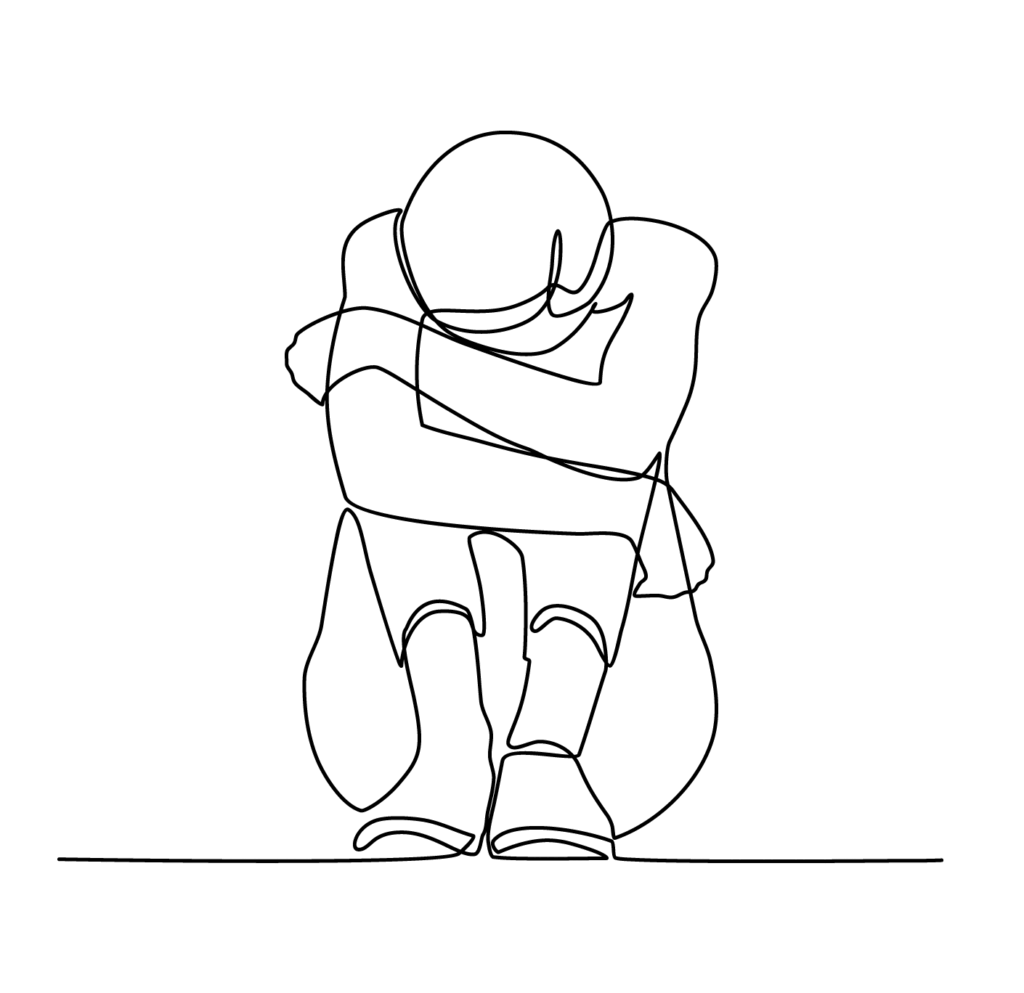
Anxiety affects millions of people worldwide, creating a persistent sense of worry, fear, or unease that can significantly impact daily life. While it’s natural to feel anxious occasionally, persistent anxiety can interfere with work, relationships, and overall well-being. Fortunately, counselling offers effective pathways to understanding and managing anxiety, providing both immediate relief and long-term coping strategies.
Understanding Anxiety Through Professional Support
One of the most valuable aspects of counselling is gaining a deeper understanding of your anxiety. Many people experience anxiety without fully comprehending its triggers, patterns, or underlying causes. A trained counsellor helps you identify what specifically contributes to your anxious feelings, whether it’s particular situations, thought patterns, past experiences, or physical sensations. This understanding is crucial because anxiety often feels overwhelming and unpredictable when we don’t recognise its patterns. Through counselling, you can begin to see anxiety as something manageable rather than an uncontrollable force in your life.
Evidence-Based Therapeutic Approaches
Counselling for anxiety draws from several well-researched therapeutic methods, each offering unique benefits:
Cognitive Behavioural Therapy (CBT) is particularly effective for anxiety disorders. This approach helps you recognise negative thought patterns that fuel anxiety and teaches you to challenge and reframe these thoughts. CBT also focuses on changing behaviours that may be maintaining or worsening your anxiety.
Mindfulness-based therapies teach you to observe anxious thoughts and feelings without judgment, thereby reducing their impact on you. These techniques help you stay grounded in the present moment rather than getting caught up in worries about the future.
Exposure therapy can be beneficial for specific phobias or social anxiety, gradually helping you face feared situations in a controlled, supportive environment.
Developing Practical Coping Strategies
Counselling equips you with a toolkit of practical strategies to manage anxiety when it arises. These might include breathing techniques, grounding exercises, progressive muscle relaxation, or cognitive restructuring methods. Your counsellor will work with you to find which techniques resonate most with your specific needs and lifestyle.
Learning these skills in a therapeutic setting means you have professional guidance as you practice them, ensuring you’re using techniques correctly and effectively. Over time, these strategies become second nature, giving you the confidence to handle anxious moments as they arise.
Creating a Safe Space for Exploration
The therapeutic relationship itself provides immense value for those struggling with anxiety. Counselling offers a confidential, non-judgmental space where you can express fears, worries, and concerns without feeling criticised or misunderstood. This safe environment often allows people to explore aspects of their anxiety they’ve never discussed before.
Many people with anxiety feel isolated or believe others won’t understand their experiences. Having a professional who listens with empathy and expertise can be profoundly healing and validating.
Addressing Root Causes
While learning to manage anxiety symptoms is essential, counselling also helps address underlying factors that may be contributing to your anxiety. This might involve processing past traumas, examining family patterns, exploring perfectionist tendencies, or addressing other mental health concerns that co-occur with anxiety.
By working on these deeper issues, you’re not just managing symptoms but creating lasting change that can prevent anxiety from recurring or intensifying in the future.
Building Long-Term Resilience
Perhaps most importantly, counselling helps build psychological resilience. You learn not just how to cope with anxiety when it occurs, but how to develop overall mental and emotional strength. This includes building self-awareness, improving emotional regulation, developing healthy boundaries, and strengthening your sense of self-efficacy.
When to Seek Professional Help
If anxiety is interfering with your daily activities, relationships, work, or sleep, it’s worth considering counselling. You don’t need to wait until anxiety becomes severe to seek help. Early intervention can prevent anxiety from worsening and help you develop healthy coping patterns from the start.
Signs that counselling might be beneficial include persistent worry, avoidance of certain situations, physical symptoms such as a rapid heartbeat or sweating, difficulty concentrating, or feeling overwhelmed by everyday tasks.
Taking the First Step
Starting counselling can feel daunting, especially when you’re already dealing with anxiety. Remember that reaching out for help is a sign of strength, not a sign of weakness. Most counsellors understand that the first session can be anxiety-provoking and will work to create a comfortable environment from the beginning.
Many people find that simply taking the step to schedule an appointment provides some relief, as it represents movement toward positive change rather than staying stuck in anxious patterns.
Counselling offers hope and practical solutions for those struggling with anxiety. With professional support, you can learn to understand your anxiety, develop effective coping strategies, and build the resilience needed to live a fuller, more confident life. The investment in your mental health through counselling often pays dividends far beyond just managing anxiety, contributing to overall personal growth and well-being.