






How Hypnotherapy Can Help with Fears and Phobias
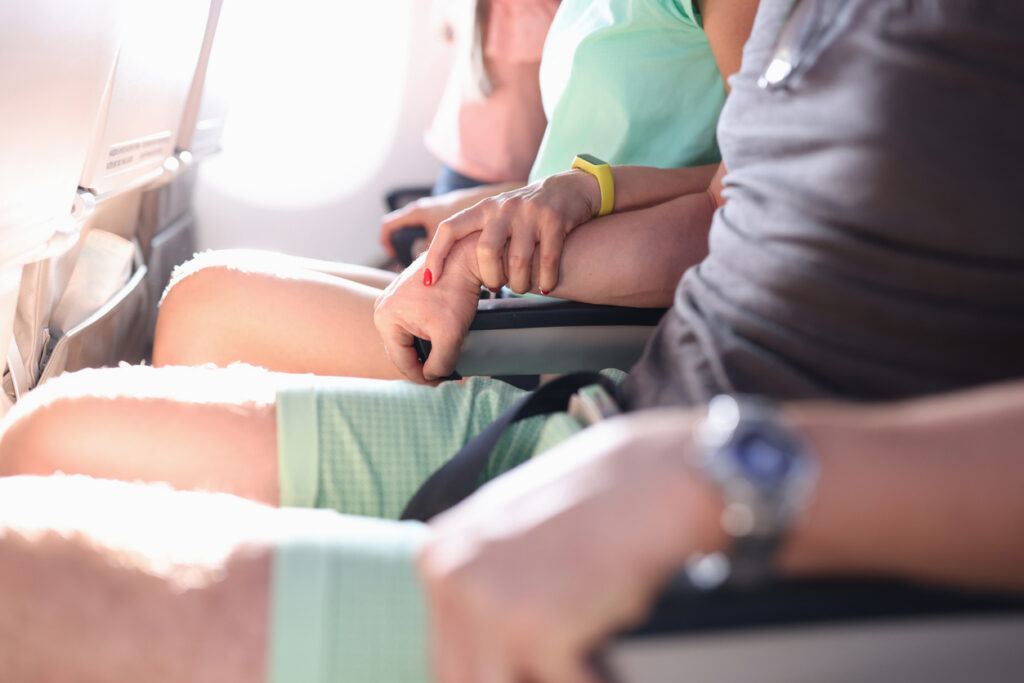
Fears and phobias can have a powerful impact on daily life. For some people, the fear is mild and manageable. For others, it can affect relationships, work, travel, confidence, and overall well-being. Whether it is a fear of flying, public speaking, spiders, driving, needles, or social situations, phobias often feel overwhelming and difficult to control.
Hypnotherapy is increasingly being used as a supportive approach to help people understand and overcome fears and phobias. By working with the subconscious mind, hypnotherapy aims to reduce emotional reactions, build confidence, and create healthier thought patterns.
Understanding Fears and Phobias
Fear is a natural human response designed to protect us from danger. However, a phobia is an intense and persistent fear that is usually disproportionate to the actual threat. Even when a person knows their fear is irrational, the emotional and physical response can feel very real.
Common symptoms of phobias include:
- Rapid heartbeat
- Sweating or shaking
- Shortness of breath
- Feelings of panic or dread
- Avoidance behaviours
- Difficulty concentrating
- Loss of confidence
Over time, avoidance can strengthen the fear, making everyday situations more challenging.
How Hypnotherapy Helps with Fears and Phobias
1. Identifying the Root Cause
Some fears develop from a specific experience, while others may stem from learned behaviour, childhood memories, or emotional associations. Hypnotherapy can help uncover underlying triggers that may not be fully recognised on a conscious level.
Understanding where a fear began can make it easier to reframe the experience and reduce its emotional intensity.
2. Changing Negative Thought Patterns
Phobias are often reinforced by automatic negative thoughts and anticipatory anxiety. Hypnotherapy works to interrupt these patterns and replace them with calmer, more balanced responses.
For example, someone with a fear of flying may automatically associate air travel with danger or panic. Through guided suggestions and visualisation, hypnotherapy can help create a stronger sense of safety, calmness, and control.
3. Reducing Anxiety and Physical Reactions
Many phobias trigger strong physical symptoms. Hypnotherapy techniques such as deep relaxation, breathing awareness, and visualisation can help reduce the body’s stress response.
As the nervous system becomes calmer, individuals often feel more capable of facing situations that previously caused fear.
4. Building Confidence and Emotional Resilience
Fear can erode confidence over time, particularly when it leads to avoidance. Hypnotherapy helps reinforce positive beliefs, self-trust, and emotional resilience.
Clients are often guided to visualise themselves responding calmly and confidently in situations that once felt impossible. Repeated positive reinforcement can strengthen these new emotional responses.
5. Supporting Gradual Behavioural Change
Hypnotherapy can complement practical exposure techniques by helping individuals feel mentally prepared and emotionally calm before facing their fears.
Instead of feeling overwhelmed, clients may begin to approach situations with greater confidence and reduced anxiety.
Common Fears and Phobias Treated with Hypnotherapy
Hypnotherapy may help with a wide range of fears and phobias, including:
- Fear of flying
- Fear of public speaking
- Social anxiety
- Fear of heights
- Fear of driving
- Fear of needles or medical procedures
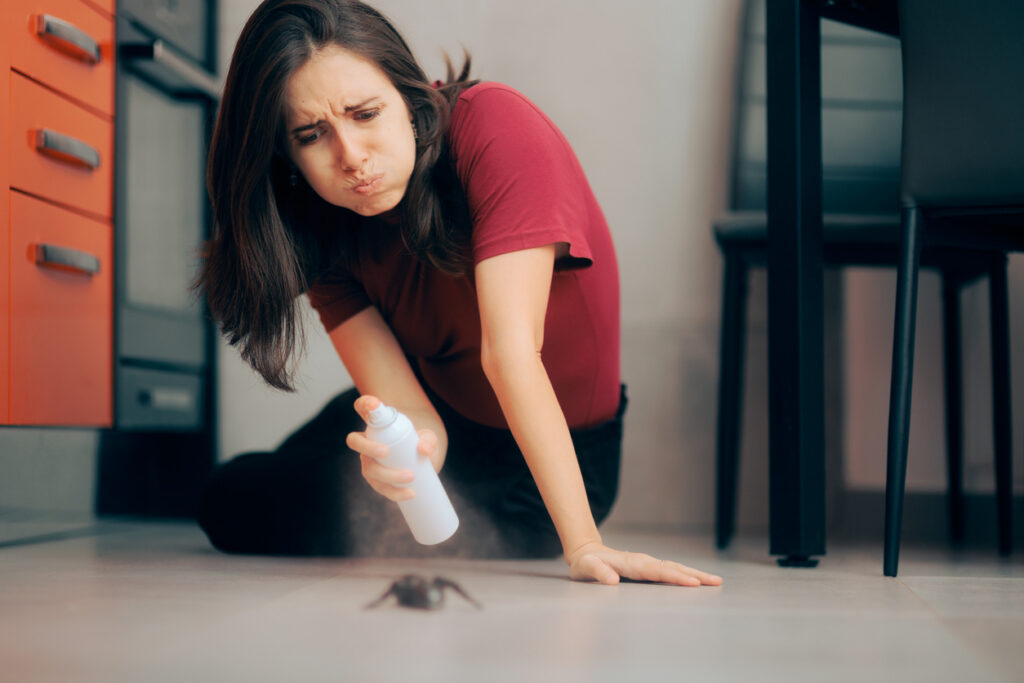
- Fear of spiders, snakes, or insects
- Claustrophobia
- Dental anxiety
- Exam or performance anxiety
Every individual experiences fear differently, so treatment is usually tailored to personal needs and goals.
What to Expect During a Hypnotherapy Session
A hypnotherapy session typically begins with a discussion about the fear, how it affects daily life, and the desired outcome. The hypnotherapist will then guide the client into a relaxed state using calming language and focused attention.
Once relaxed, therapeutic techniques such as suggestion therapy, visualisation, reframing, or relaxation exercises may be used. Sessions are designed to feel safe, supportive, and collaborative.
Some people notice positive changes after just a few sessions, while others benefit from ongoing support depending on the severity and complexity of the phobia.
Is Hypnotherapy Effective?
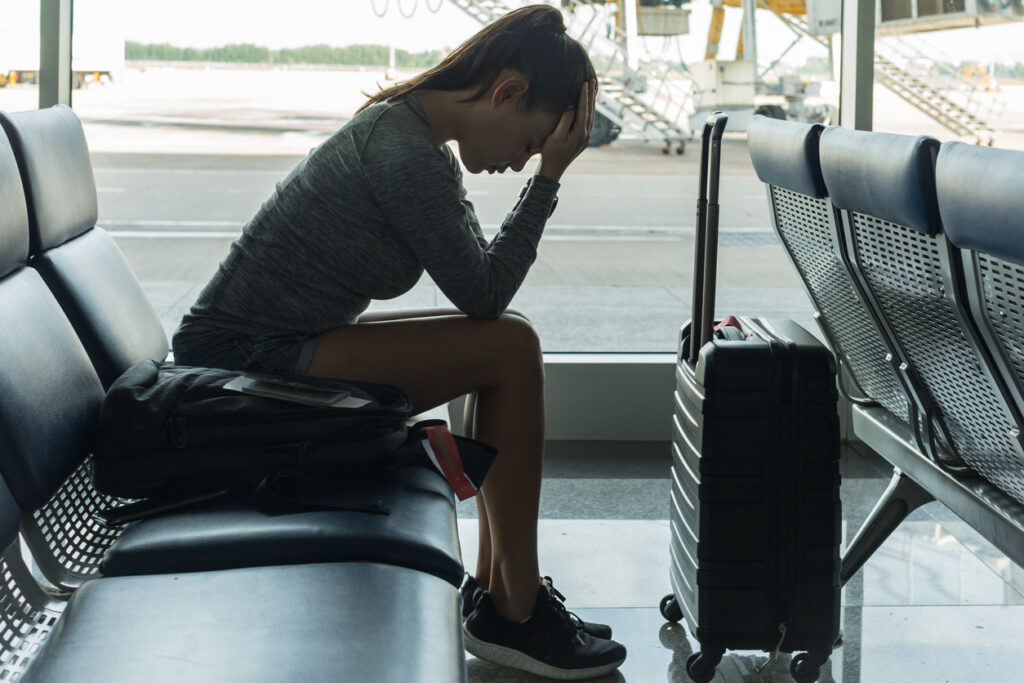
Many people report significant improvements in confidence, anxiety levels, and emotional control following hypnotherapy. Research also suggests hypnosis can be effective in reducing anxiety and supporting behavioural change for certain individuals.
As with any therapy, results vary from person to person. Success often depends on the individual’s readiness for change, the nature of the phobia, and the therapeutic approach used.
Final Thoughts
Living with a fear or phobia can feel limiting, frustrating, and exhausting. Hypnotherapy offers a gentle and supportive approach to understanding those fears and creating lasting emotional change.
By helping calm the mind, reduce anxiety, and build confidence, hypnotherapy may empower individuals to regain control and experience greater freedom in everyday life.
If fears or phobias are affecting your wellbeing, seeking support from a qualified hypnotherapist could be a valuable step towards lasting change.